




1st for PopData as groundbreaking project approved for study of developmental trajectories of BC’s at-risk children
Following
the linkage approval, Dr. Hillel Goelman and his research team at the
University of British Columbia and B.C. Children’s Hospital will now be able to
start Phase II of a unique project entitled, ‘An Interdisciplinary Study of the Developmental Trajectories of At-Risk
Children’.
Bringing together researchers from Early Child Development, Neonatology, Developmental Pediatrics, Epidemiology and Population Health, the groundbreaking research study addresses the issue of population-based early identification by connecting health, developmental and educational trajectories of at-risk children.
Community partners in this project include the Developmental Disabilities Association of B.C. and early intervention programs across the province. The current project is an extension of the CHILD Project (Consortium for Health, Intervention, Learning and Development), 2003-2008 and is funded by the Social Development Partnerships Program of Human Resources and Skills Development Canada.
In Phase I of the current project, Population Data BC enabled the team to access anonymized Medical Services Plan Registration and Premium Billing data, Hospital Separations data, and Vital Statistics clinical data so they could analyze the frequencies, diagnoses and distributions of newborns who were admitted to neonatal care.
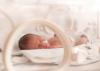
When Phase I was completed, they had identified a cohort of anonymized ‘at-risk’ children who were admitted to Levels II and III Neonatal Intensive Care Units (NICU), and also a comparison group of non-risk children, matching both on the basis of their date of birth, sex, and home postal code.
Population Data BC has been liaising with the Ministry of Health, the Vital Statistics Agency, UBC’s Human Early Learning Partnership (HELP), Edudata Canada and the Ministry of Education to initiate Phase II, which will link the health data from Phase I to education data.
The team will study whether at-risk children perform more poorly in school, and whether they require learning assistance more frequently than the non-risk children. The researchers will also use geo-mapping techniques to better understand the interplay between child development and the multiple contexts of family, neighbourhoods, communities and government health policies. Phase III of the project will examine developmental trajectories of children with specific kinds of developmental challenges.
Dr. Goelman, Professor in UBC’s Faculty of Education and Chair of the Interdisciplinary Studies Graduate Program, hopes that this project will lead to better intervention services and long-term support for families with children who are born early, or who have health complications during delivery or infancy. “The project will help us and our colleagues figure out the developmental patterns and interventions that make a difference in the lives of these children and their families.”
“What this approval means is that we will be one of the leaders in studying the longer-term effects of NICU children from multiple perspectives,” wrote Dr. Goelman in a congratulatory letter to the team at Population Data BC.